What is a Soft 17 in Blackjack?
Last updated: November 17, 2025

Written by Samuel Okunsolawo - Samuel Okunsolawo has been writing about iGaming for more than six years, and he's rather good at it. Samuel has contributed to numerous online gaming platforms and magazines, known for his engaging writing style and smart analysis. Online casinos, sports betting, cryptocurrency casinos, and game reviews are just a few areas in which he excels. Samuel is well-respected by both readers and professionals in the field for his commitment to presenting information that is both accurate and current.
Article contents:
- Understanding What a Soft 17 Means
- Why is It Called a Soft 17?
- Soft 17 vs. Hard 17
- How Soft 17 Affects the Dealer
- Player Strategy for Soft 17 in Blackjack
- Always Hit on Soft 17
- Double Down if the Dealer’s Upcard is Weak
- Stand if Doubling is Not Allowed and the Dealer has a Weak Card
- Hit if the Dealer Shows a Strong Card
- Conclusion
As a blackjack player, there are several techniques and strategies you must know to make informed decisions. One of the most important is recognizing soft and hard hands. Basically, a soft hand is one that has an Ace, while a hard hand doesn’t. This matters because the Ace can be counted as 1 or 11, making the soft hand flexible. Of course, that’ll also affect how you play, which is why knowing the difference is essential.
In this guide, our focus is on the soft 17 hand. We’ll explain what it’s all about, how it differs from the hard alternative, and strategies to follow when you have it. So, if you want to know what is a soft 17 in blackjack, read on.
Understanding What a Soft 17 Means
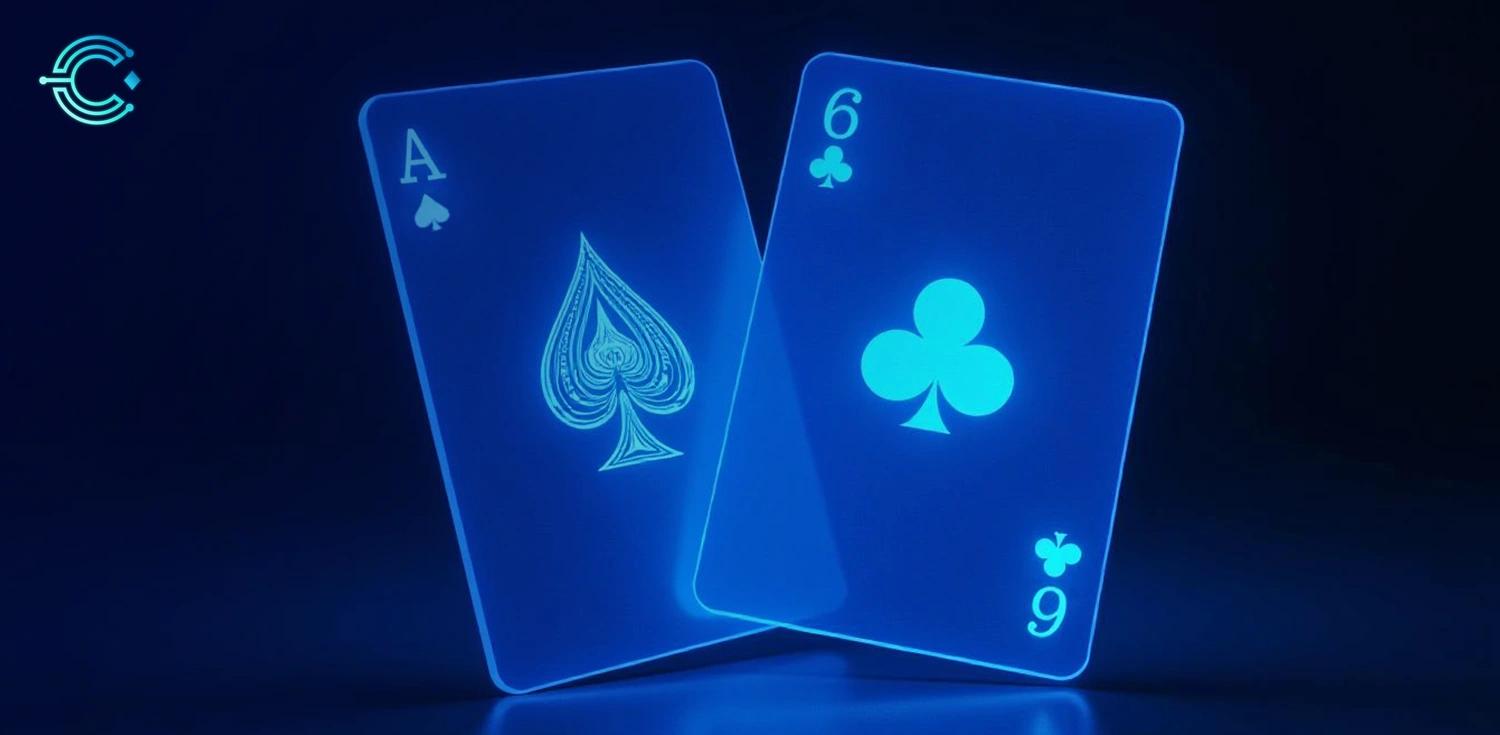
Simply put, a soft 17 in blackjack is a hand that features an Ace and adds up to 17. Usually, the Ace is counted as 11 to make up the 17 mark. However, if there’s any chance the hand will bust, the Ace automatically becomes 1 and removes the danger.
The standard example of a soft 17 in blackjack is an Ace + 6. So, the Ace counts as 11, added to 6 to get 17. If you hit and get a new card, like 5, which takes the total to 22, the hand will bust. In such a case, the Ace will count as 1, bringing the total down to 12 (1 + 6 + 5).
From the above, you can understand why recognizing when you have a soft 17 is crucial. Note that this hand type applies whether you’re playing Bitcoin blackjack, regular blackjack, or any other variant.
Why is It Called a Soft 17?
The main reason it’s called a soft 17 is because the hand is flexible. In other words, the total value can change since the Ace can be 1 or 11. Hence, the hand isn’t rigid. A more practical reason it’s known as a soft hand is that you can’t bust with an extra card.
Previously, we mentioned getting a 5, which takes the value to 22. Then, the Ace becomes 1 and reduces it to 12. Now, the highest possible value you can get with one card in blackjack is 10. If that’s what you receive, you’re still safe since 1 + 6 + 10 equals 17. Ultimately, an initial soft 17 hand with two cards can’t bust if you hit for one more.
Soft 17 vs. Hard 17
If someone should ask you, in blackjack what is a soft 17, we’re sure you can confidently answer right now. However, what about a hard 17? Well, it’s just the opposite. A hard 17 in blackjack is a hand that totals 17 without featuring any Ace. Many combinations can lead to a hard 17 in blackjack, but the standard after the first dealing is 10 + 7.
A hard 17 can also be a hand with the Ace counted as 1. For instance, if you initially got an Ace + 6, you hit and receive 10; you have 1 + 6 + 10, which equals 17. As such, you have a hard 17 because the Ace can no longer count as 11. You'll bust if you receive an extra card that takes the total above 21.
The key difference between a hard and soft 17 blackjack hand is the flexibility. With a hard 17, you’re not left with many options. It’s more risky since an extra card can take you above 21, leaving the dealer with a win. Meanwhile, a soft 17 allows you to be more strategic with your play. You can confidently hit for a different card to take your hand close to 21 and beat the dealer. If it goes beyond 21, you’re still safe.
How Soft 17 Affects the Dealer
So far, we’ve discussed what is a soft 17 in blackjack and mainly focused on how it gives you an advantage as a player. However, it can also influence the dealer’s gameplay in some blackjack variants. Specifically, it dictates whether they’ll hit or stand. Here’s a more detailed rundown:
- In some games, the dealer must hit on soft 17 (H17). This means the dealer is required to take another card when holding a soft 17. It increases the house edge since the dealer has a chance to improve their hand.
- In other games, the dealer must stand on soft 17 (S17). This means the dealer is not allowed to take another card and must keep the soft 17 as their final hand. This rule is more favorable to you as a player because you can easily win with a hand above 17.
Note that the dealer's soft 17 rule varies depending on the specific casino or blackjack table. However, if you’re playing, you can particularly look out for titles that support the second rule to give you an edge. Based on our findings, some crypto blackjack games feature the S17 condition, so try checking them out.
RECOMMENDED READ



Player Strategy for Soft 17 in Blackjack
The fact that a soft 17 blackjack hand makes things safe doesn’t mean you should make a random move. On the contrary, you have to calculate your decision, knowing whether to hit or stand. That’s the only way to truly leverage the security a soft 17 offers.
We’ve outlined some pro strategies you can go with below:
Always Hit on Soft 17
We’ve mentioned that a soft 17 is a flexible hand because the Ace can be counted as either 1 or 11. If you draw another card, you won’t bust, as the Ace can revert to 1 if needed. Hitting on soft 17 allows you to potentially improve your hand without the risk of going over 21.
Double Down if the Dealer’s Upcard is Weak
A weak upcard is one that displays low values such as a 3, 4, 5, or 6. In such scenarios, double down is the best approach if you have a soft 17. The dealer is more likely to bust with these cards, so by doubling down, you increase your potential payout on a hand with good odds.
Note that when you double down, you place an additional bet equal to your initial wager. Then, you receive just one more card. So, while we advise this strategy, only go with it if your bankroll permits.
Stand if Doubling is Not Allowed and the Dealer has a Weak Card
Some regular or Bitcoin blackjack casino games may not allow doubling on soft17. If so, you can consider standing against a weak dealer upcard. While hitting is generally a good move, standing can be the best option to avoid further complications. Without question, 17 is still a strong hand, and you can potentially win with it.
Hit if the Dealer Shows a Strong Card
In cases where the dealer shows a strong upcard (like a 9, 10, or Ace), your soft 17 is unlikely to win if you stand. As a result, it's best to hit while hoping to get a new card that’ll improve your hand. Wondering why? Well, the dealer’s strong hand makes it risky to stand on soft 17, as they are likely to hit a strong total. When you hit first, you get a better chance to reach a stronger hand that could compete.
Conclusion
At this point, our guide on what is a soft 17 in blackjack has covered all the main details to note. The simple summary is that a soft 17 features an Ace that counts as 1 or 11, while a hard hand doesn’t. Whenever you receive a soft 17, take your time to plan your next move.
You can follow the strategies we’ve explained to make things easier. That said, note that playing soft 17 strategically depends on the dealer’s upcard and the rules of the blackjack game. Generally, hitting is the best option unless you have the opportunity to double down against a weak dealer hand.
This blog is for informational purposes only and does not constitute financial or investment advice. Please gamble responsibly and ensure compliance with the laws in your jurisdiction.