The Future of Gaming: Exploring Live Casino Baccarat with Cryptocurrency
Last updated: September 29, 2025

Written by CryptoCasino - Cryptocurrency Specialist with extensive knowledge in blockchain technology and digital currencies. Skilled in analyzing market trends and offering insightful perspectives on crypto currency investments and developments.
Article contents:
- Understanding Live Casino Baccarat
- Brief history
- Rules
- Live Casino Baccarat's Unique Features Compared to Traditional Online Baccarat
- Advantages of Using Cryptocurrency for Live Baccarat
- Security and Anonymity
- Speed of Transactions
- Lower Fees
- How to Get Started with Crypto Baccarat
- Navigate to Live Baccarat on Cryptocasino
- Setting Up a Cryptocurrency Wallet
- Understanding the Cryptocasino's Deposit and Withdrawal Processes
- Challenges and Considerations
- Tips on Responsible Gaming with Cryptocurrency
- Conclusion
Gambling has been an age-long culture among humans, offering different kinds of entertainment and a chance to win big. Over the years, technology has influenced how people gamble, leading to the rise of online gaming platforms. One of the influences of technology in gambling is live casino games, where you can engage in real-time gaming with professional dealers and players.
The rise in technology adoption at online casinos led to the adoption of blockchain technology. Some benefits of using digital currencies for online gaming include security, anonymity, low transaction fees, and fast transactions.
Understanding Live Casino Baccarat
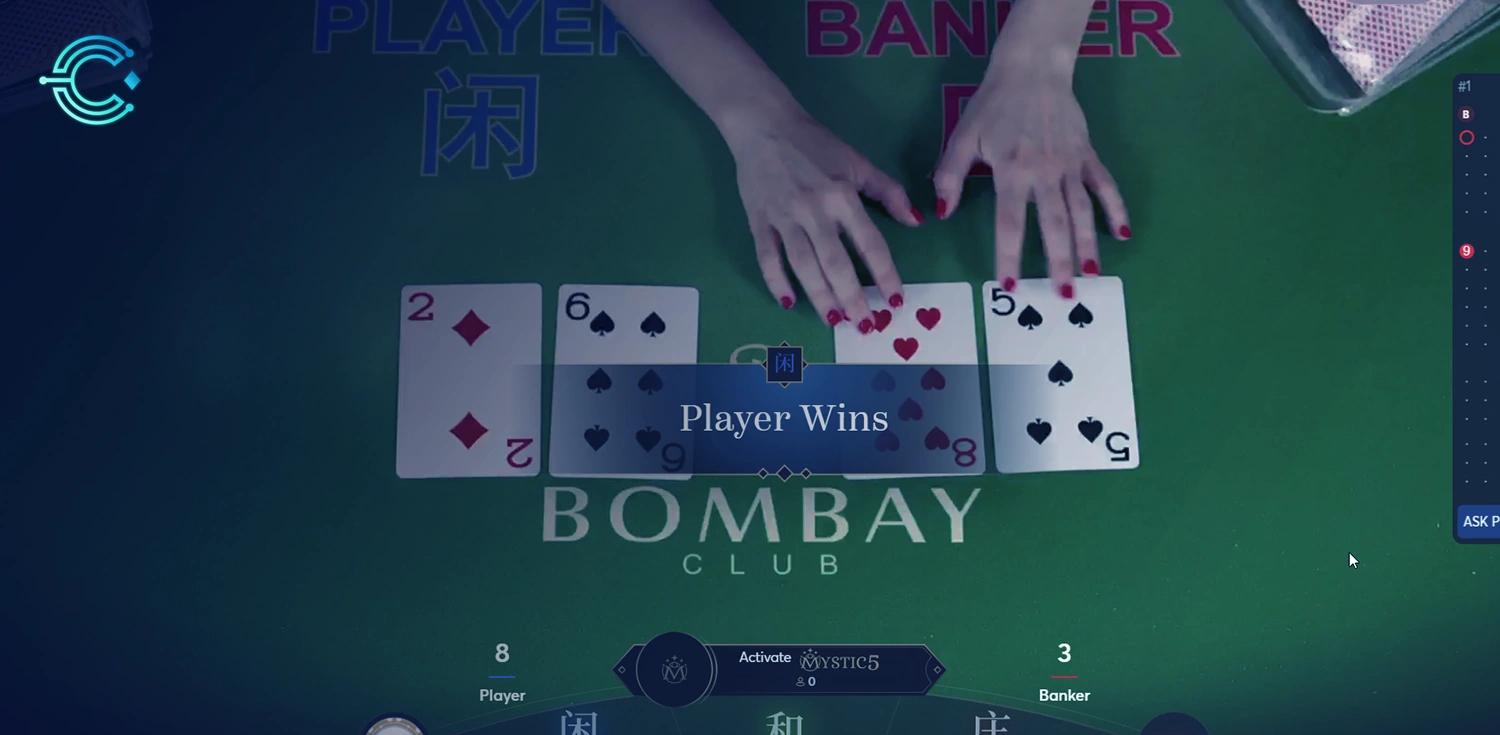
Baccarat is a card game played between two hands involving the player and the banker. Each round of play has three possible outcomes: the player, banker, and tie. The game has three popular versions: punto banco, baccarat chemin de fer, and baccarat banque.
Brief history
The game's origins are believed to have occurred in the 19th century, during the Napoleonic era, before the legalisation of casino gambling in France in 1907. Baccarat Banque is the earliest form of the game, involving three people. Following Baccarat Banque, a zero-sum game, Chemin de Fer emerged as a two-player game.
The Baccarat Punto Banco is a variant where bettors place bets on whether the player or the banker hand wins. It significantly influenced the evolution of modern Baccarat gameplay.
Rules
Here are some common rules for playing Baccarat:
- The player or banker does not deal a third card if they have a natural hand (a total value of 8 or 9).
- If the player's hand value is 5 or lower, they receive a third card.
- If the banker's total is 7, they are standing.
Live Casino Baccarat's Unique Features Compared to Traditional Online Baccarat
These are some unique features of live casino Baccarat in comparison to traditional online Baccarat:
- Real-time interaction: Live casino Baccarat allows you to interact in real-time with the dealer. The studio streams the dealer, emulating an actual land-based casino for players.
- Socialization: Platforms that offer live casino Baccarat, in most cases, offer chat features, creating room to communicate with dealers and other players. This feature creates a realistic atmosphere, simulating the experience of playing at a physical table.
- RNG: A random number generator (RNG) powers traditional online Baccarat while a real person deals the cards to players in live casino Baccarat. The human element adds a layer of uniqueness and excitement.
Advantages of Using Cryptocurrency for Live Baccarat
These are some of the benefits of using cryptocurrencies for live Baccarat:
Security and Anonymity
Digital currencies offer players anonymity and discreet transactions when playing at online casinos, without the need to provide personal or financial details. The secure nature of the blockchain keeps your assets private and protected, ensuring that no one can access them without your permission. In addition to privacy, the use of blockchain at online casinos provides layers of security that promote confidentiality.
Speed of Transactions
Playing live casino games, including Baccarat, requires fast transactions, ensuring the players enjoy their gaming experience. Digital currencies enable instantaneous transactions, eliminating the need for third-party approval.
Lower Fees
Another advantage of digital assets is the cost of each transaction, which maximizes profits by cutting expenses related to conventional payment options. Crypto helps streamline transactions when playing live Baccarat, eliminating any third parties. It uses a peer-to-peer system, significantly reducing transaction fees compared to the traditional method.
How to Get Started with Crypto Baccarat
The first step in playing crypto baccarat is creating and funding an account. With our comprehensive guide below, enjoying live Baccarat with cryptocurrency will be a cakewalk:
Navigate to Live Baccarat on Cryptocasino
To navigate to live Baccarat on Cryptocasino, click ‘live casino’ on the side menu or the top menu. Proceed by selecting Baccarat; this will bring up all the games that are available; you can then use the search bar to narrow down the games. You can also use the providers to filter the titles until you find exactly what you are searching for.
Setting Up a Cryptocurrency Wallet
- To set up a crypto wallet, you must choose a platform.
- Then, for security, create a unique password and possibly two-factor authentication.
- Buy or transfer the preferred digital asset you want into your wallet.
- Keep your wallet safe from prying eyes.
Understanding the Cryptocasino's Deposit and Withdrawal Processes
Depositing into your Cryptocasino account is easy and encourages seamless gambling. The first step is to prepare your wallet separately from your preferred digital asset.
Before proceeding with the deposit, you must have logged into your casino account. You can deposit into your account using several digital currencies this operator supports.
You can easily withdraw your wins from Cryptocasino using the same process as the deposit method but in reverse. The blockchain processes the withdrawal before it reaches your external wallet. Furthermore, you can sometimes make cryptocurrency withdrawals instantly, but it can also take a few minutes for them to appear in your wallet.
Challenges and Considerations
Despite having numerous benefits, you should also be aware of the challenges and considerations related to cryptocurrencies, such as volatility and regulatory issues. One of cryptocurrency's challenges is its volatility. The fluctuations create uncertainty, resulting in several decisions and outcomes based on the market's behaviour.
Players who engage in cryptocurrency must navigate a dynamic environment where market volatility can cause the value to rise and fall at any time. This constant change adds a layer of complexity to its use at online casinos, allowing players to quickly adapt to new strategies to leverage the volatility in their favor.
Regulatory issues are another difficulty that online gaming platforms face. Crypto exposes consumers to risks like theft, deceptive advertising, and volatility. However, despite these risks, there are lagging regulations to protect consumers, even if some laws are untested or ambiguous.
Tips on Responsible Gaming with Cryptocurrency
Here are some tips to consider when gaming with cryptocurrency. By following these responsible best practices, you can safely enjoy gambling entertainment and its potential.
- Set a budget : Setting a budget and sticking to it is a strategy for gambling responsibly. To prevent overspending, you could use deposit limits provided by online casinos or other responsible gaming tools.
- Take a break : Gambling for extended periods can lead to poor decision-making and frustration-driven choices. To avoid this, it's important to take breaks at regular intervals. Consider going for a walk or connecting with others to regain perspective and prevent impulsive decisions.
- Ensure the safety of your cryptocurrency : Due to emerging hacking methods, it's crucial to safeguard your assets. One way to do this is to enable two-factor authentication or maintain a strong and unique password on your wallets.
Conclusion
By providing players with secure, transparent transactions, cryptocurrency has the potential to revolutionise live casino Baccarat. Not only that, but you can also enjoy the thrill of playing Baccarat anywhere while remaining anonymous with different wagering options. Furthermore, it is essential to responsibly approach gambling with digital currencies by setting limits and using responsible gaming tools.
This blog is for informational purposes only and does not constitute financial or investment advice. Please gamble responsibly and ensure compliance with the laws in your jurisdiction.